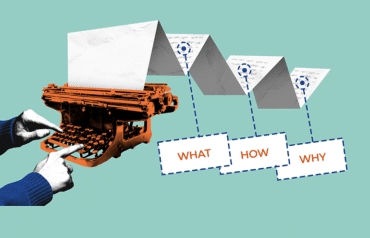


You explained the case strategy accurately and clearly, but was the message received? You shouldn’t assume those polite nods indicate full comprehension. Here’s how to make sure your listener really heard you.

Making Sure the Listener Really Heard You
Lawyers like to talk. Sometimes they use jargon or arcane words. And they typically have a lot of information to convey to clients. Other than questions soliciting specific information, a lawyer will typically ask, “Do you have any questions?” and “Do you understand all of that?” or “Is there anything that wasn’t clear?”
Many articles counsel lawyers about how to disseminate information, but you will find comparatively little information about making sure the listener absorbed the message. The problem arises when there is little response, and it comes up in two ways.
The issue is somewhat defined by your practice area, individual versus business clients. But the same obstacle can pop up in either setting.
1. The Client Who Says They Understand
Individual clients may be intimidated by the whole process, starting from the very moment they enter your office. They sit opposite the lawyer, nodding to indicate understanding and agreement. Going over the narrative and asking “Have I got that right?” is insufficient. Many clients will answer “yes” because they didn’t understand and are too afraid to say so. They don’t want to look dumb, or maybe they misinterpreted the issue. It’s only when you get in deposition that they blurt out completely unexpected statements, some of which might contradict what they told you an hour before.
Communicating through an interpreter can compound the problem. The client may be looking at the interpreter rather than at you. This complicates your ability to get a feel for whether the information is sinking in. The interpreter can twist what you say. I was once asking a deponent very specific questions, and the interpreter prefaced every translated question with “Mas o Menos.” I don’t speak Spanish, but I do know enough to catch that this wasn’t what I had asked for, and it changed the value of the answer. I have been in depositions with an interpreter where the lawyer for the foreign-language speaker was also a fluent speaker and objected that the interpreter was not translating correctly. Be careful who you use.
2. The Client Who Is a Very Busy Important Person
The second version of this scenario is the professional or business client who is sure they know more than you, and that you are just an extra unwanted cog in the legal machine. These clients would never admit they don’t understand a legal term. In person, you can often sense that the client is not paying attention. They indicate everything is good to go; they are in an obvious hurry to get back to their real job. The problem increases in telephone or video consultations, where you are unable to see if they are working on other things instead of paying attention. Later, in a meeting, deposition or hearing, these clients damage the entire case by putting their business foot in the corporate mouth.
Solutions for Effective Attorney-Client Communication
Obviously, lawyers have a duty to fully communicate with their clients pursuant to Model Rule 1.4. Most lawyers think they are communicating everything their clients need to know, but unless they open their minds to every possibility, they may not be addressing the client’s real needs.
Ideally, you would ask every possible question. One way to unearth those issues is to use the Steelman approach. That means you assume the adversary’s positions are credible and discuss with the client how to meet those claims. “How about their claim that … “ might raise your client’s ire. That’s a good way to get them talking. Talking about positions you may be called to meet is not a dereliction of zealous advocacy. It is part of it.
Sometimes you are gathering information and then giving your client follow-up tasks. Start off by explaining that you will be working together to create a mutual to-do list. Perhaps create separate columns for your tasks and the client’s. The client’s list might include looking for specific documents or collecting names and contact information. Include a deadline. In an in-person meeting, you can hand a document to the client. Use the whiteboard option in a video meeting. Let the client know that you will also send another copy via email, text or letter.
When it’s time to wrap up the meeting, the most effective way to make sure the client understands your message is to ask the client to reflect back to you the advice you just gave. The teach-back method is used extensively in healthcare settings. The protocol is to tell, ask, listen and confirm understanding.
Be diplomatic. Keep in mind the burden is on you to effectively communicate. Some of your clients may be finding this meeting stressful, and stress can impair understanding. Try approaches like, “I want to make sure I’ve covered everything. Can you go over with me what could happen next?”
Avoid the word “understand.” Having the client explain the advice in their own words is likely to prompt previously overlooked questions. If there are mistakes or omissions in the client’s understanding, now is the time to go over things again using different words. Then employ the teach-back method again to make sure the advice was heard.
Get to the Point!
More Writing Tips
Find more good ideas for improving your legal writing and communications skills in “Get to the Point” by Teddy Snyder.
Subscribe to Attorney at Work
Get really good ideas every day for your law practice: Subscribe to the Daily Dispatch (it’s free).
Licensed under the Unsplash+ License